

Introduction
Modern electronic devices depend on a stable power supply and reliable signal connections. However, sudden voltage spikes can threaten their performance, damage sensitive components, and shorten equipment life. These spikes may result from lightning, electrostatic discharge (ESD), inductive switching, or changes in electrical loads. Even a brief surge can affect electronic circuits if the voltage rises beyond their safe operating limits. This is why transient voltage suppression (TVS) diodes play an important role in electronic circuit protection.
Good-Ark offers a TVS diode category that helps engineers compare protection components based on key electrical ratings and package options. Understanding how these devices work makes it easier to choose suitable protection for power supplies, communication interfaces, automotive electronics, and other applications. By selecting the right TVS diode, engineers can reduce the risk of voltage-related failures and build more dependable electronic products.
What Are TVS Diodes and How Do They Work?
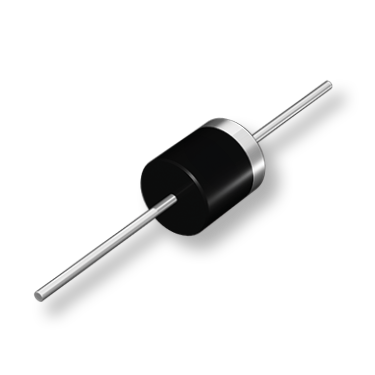
TVS diodes are semiconductor components designed to protect electronic circuits from short, high-voltage transients. Under normal operating conditions, a TVS diode remains in a high-impedance state and has little effect on the circuit. When a voltage spike exceeds its breakdown region, the device begins conducting a large amount of current and limits the voltage rise across the protected connection. This action helps prevent the transient from reaching sensitive integrated circuits, microcontrollers, sensors, and other electronic components at damaging levels.
Once the surge passes, the TVS diode returns to its normal operating state, provided the event remains within its rated limits. Unlike components intended mainly for continuous voltage regulation, TVS diodes are designed to respond quickly to brief electrical disturbances. Their fast response makes them useful in systems where even a short transient can interrupt operation or cause permanent damage.
Common Causes of Voltage Spikes in Electronic Circuits
Voltage spikes can enter electronic systems through power lines, signal cables, connectors, and switching circuits. Electrostatic discharge is a common example, especially when a person touches a connector or exposed electronic interface. Inductive loads, such as motors, relays, and solenoids, can also generate transient voltages when their current changes suddenly. Lightning-related surges and disturbances from nearby electrical equipment may create additional risks, particularly in systems connected to long cables or external power sources.
In automotive electronics, switching events and electrical disturbances can affect control modules, sensors, and communication networks. Industrial equipment may face similar challenges because motors, converters, and other high-power devices operate in the same electrical environment. TVS diodes help manage these threats by limiting transient voltage before it reaches vulnerable components. However, effective protection depends on the type of transient, the circuit design, the energy involved, and the electrical ratings of the selected device.
Key Parameters for Choosing the Right Good-Ark TVS Diodes
Choosing a suitable TVS diode requires more than matching a component to a circuit’s nominal voltage. Engineers should review several electrical parameters to understand how the device behaves during normal operation and a surge event. Working peak reverse voltage indicates the maximum specified reverse voltage at which the device is intended to operate without entering breakdown. Breakdown voltage identifies the voltage range where significant conduction begins under stated test conditions. Clamping voltage describes the voltage across the device at a specified pulse current, making it especially important when checking whether protected components can withstand the remaining transient voltage.
Peak pulse power indicates the device’s surge-handling capability under defined test conditions, while peak pulse current describes the current associated with the specified transient rating. These values must be considered together because a high power rating alone does not guarantee suitable protection for every circuit. Good-Ark’s TVS category provides a component comparison table that presents important ratings and package options, helping engineers narrow their choices before reviewing individual datasheets.
Package Types, Circuit Design, and Practical Applications
TVS diodes are available in different package styles to meet the needs of compact consumer electronics, industrial control systems, communication equipment, and automotive applications. Surface-mount packages can support automated assembly and help save space on printed circuit boards, while other package options may suit different power levels or installation requirements. Package selection should account for board layout, thermal behavior, surge current paths, and the space available for protection components. Engineers must also consider whether a unidirectional or bidirectional TVS diode is appropriate.
Unidirectional devices are commonly used to protect DC power rails, while bidirectional types are often considered for AC signals or interfaces that carry positive and negative voltage swings. The choice depends on the circuit’s normal voltage range and signal behavior. Proper PCB layout is equally important because long traces and poor grounding can add unwanted inductance, increasing the voltage that appears at the protected component during a fast transient. For this reason, TVS diodes should be placed close to the connector or circuit entry point where the surge is likely to enter.
Conclusion: Building More Reliable Electronics with Good-Ark
Voltage spikes are a common challenge in electronic design, but the right protection strategy can help reduce the risk of component damage and unexpected system failures. TVS diodes provide fast transient suppression by conducting during excessive voltage events and limiting the voltage applied to sensitive circuitry. Selecting an appropriate device involves checking working voltage, breakdown voltage, clamping voltage, peak pulse power, peak pulse current, and package requirements. Engineers should also consider the source of the surge, the sensitivity of the protected components, and the conditions stated in the manufacturer’s datasheet.
Good-Ark supports this selection process through its TVS component category and comparison table, giving engineers a practical starting point for reviewing protection options. With its long history in the diode industry and its ambition to serve customers worldwide, Good-Ark continues to focus on component solutions that support dependable electronic designs. By combining careful component selection with sound circuit layout and system-level testing, engineers can create products that are better prepared to handle electrical transients and deliver reliable performance throughout their service life.
