

Online casino platforms are accessible almost everywhere through smartphones and browsers, and Kuwait is no exception in terms of technical reach. Understanding how these platforms actually operate, and what legal framework governs their use in Kuwait, is essential before anyone considers engaging with them. This guide walks through the mechanics, the legal reality, and the practical risks involved.
Most online casino platforms are licensed and operated from jurisdictions outside the country where their users are located. They offer games such as slots, table games, and live dealer sessions, often marketed through affiliate websites and social media promotions that target users across the Gulf region.
How These Platforms Typically Function
Operators build their platforms around a licensing arrangement issued by an offshore gaming authority, then accept players globally through the internet. Payments are usually processed through international cards, e-wallets, or cryptocurrency channels designed to bypass local banking restrictions.
Because these operators sit outside domestic jurisdiction, local consumer protection laws generally do not apply to disputes that arise. This leaves users with limited recourse if a platform delays withdrawals, closes an account, or behaves unfairly.
Access and Payment Mechanics
Access typically happens through a web browser or downloaded app, often requiring a VPN if the site has been blocked domestically. Payment flows frequently rely on intermediary services or crypto wallets specifically because direct bank transfers to gambling sites are restricted.
The Legal Position in Kuwait
Kuwait maintains one of the strictest legal stances on gambling in the region. Gambling is criminalized under the Penal Code, Law No. 16 of 1960, with Article 208 establishing criminal liability for anyone organizing or participating in gambling sessions.
Enforcement is active rather than symbolic. The Ministry of Interior has pursued cases resulting in multi-year prison sentences and substantial fines, while the Ministry of Communications blocks offshore gambling websites at the network level.
Financial Restrictions
The financial system has also been tightened around this issue. The Central Bank of Kuwait, working alongside the Capital Markets Authority, issued an absolute prohibition on cryptocurrency transactions, explicitly directing financial institutions to block crypto and gambling-related payments as part of the country’s anti-money-laundering strategy.
This means that even if a user manages to access an offshore platform, moving money in or out through legitimate local banking channels is not a viable option. Anyone researching regional gambling regulation can consult resources such as the regional gambling regulation overview for a broader picture of how Gulf jurisdictions differ.
Risks Users Should Understand
Beyond the legal exposure, users face practical risks that are easy to underestimate. Offshore platforms are not subject to independent auditing in the way that regulated markets require, so game fairness cannot always be verified.
Account freezes, identity verification demands, and withdrawal refusals are common complaints associated with unregulated operators. Personal and financial data shared with these platforms may also not be protected under any recognizable data protection standard.
Why Comparison Resources Exist Elsewhere
In markets where online gambling is legal and regulated, comparison platforms exist to help users evaluate licensing, payment reliability, and game selection before choosing where to play. A platform such as the Best Online Casino in Kuwait reviews operators from that consumer-protection angle, though it’s worth noting this kind of comparison assumes a legal framework that permits online gambling, which does not describe the country’s current regulatory environment.
That distinction matters because the existence of review sites does not change the underlying legal status in a given country. Users should always check the actual law where they live rather than assume availability implies legality.
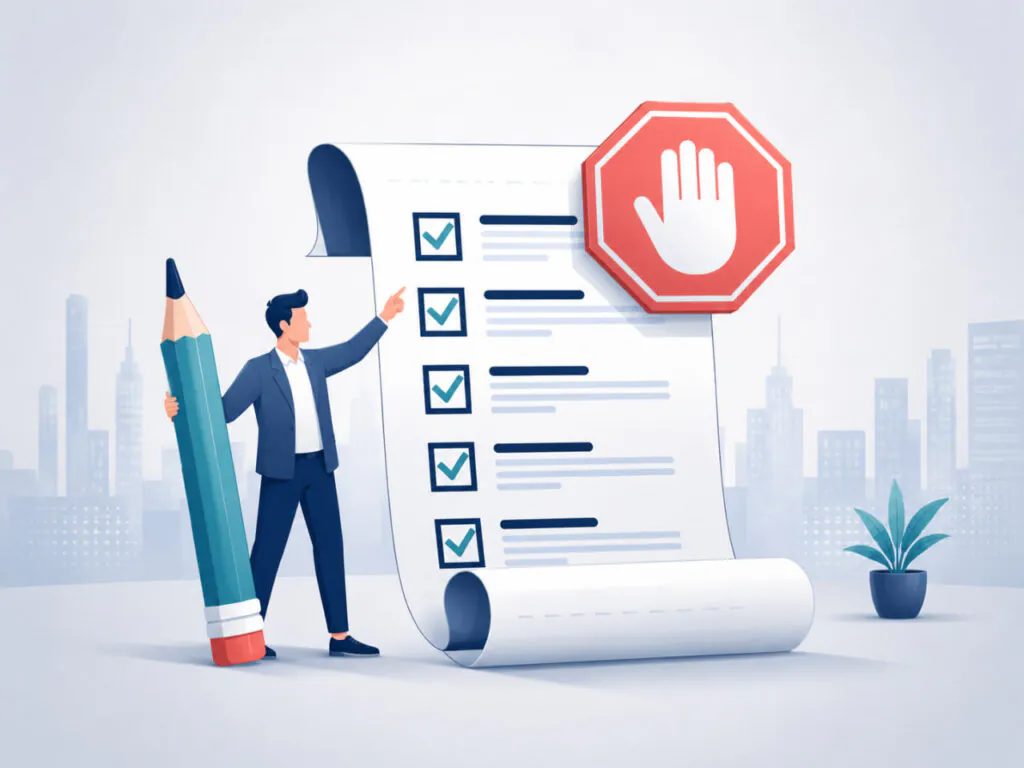
A Quick Checklist Before Engaging With Any Platform
Confirm whether online gambling is legal in your country of residence before doing anything else. Check whether the platform holds a license from a recognized gaming authority rather than an obscure or unverifiable one.
Review how withdrawals are processed and whether independent complaints exist about delayed or denied payouts. Consider whether any personal data shared with the platform is protected under a meaningful privacy framework.
Be aware of the specific criminal and financial penalties that may apply locally, since these vary significantly between countries. Never assume that technical accessibility equals legal permission.
Final Thoughts
Online casino platforms operate on a global technical infrastructure that makes them reachable almost anywhere, but reachability is not the same as legality. In Kuwait specifically, the combination of criminal penalties, active enforcement, blocked websites, and a strict financial prohibition on related transactions creates a legal environment where engaging with these platforms carries real consequences. Anyone considering this space should treat the legal framework of their own country as the first and most important filter, well before any question of platform quality or game selection comes into play.
