

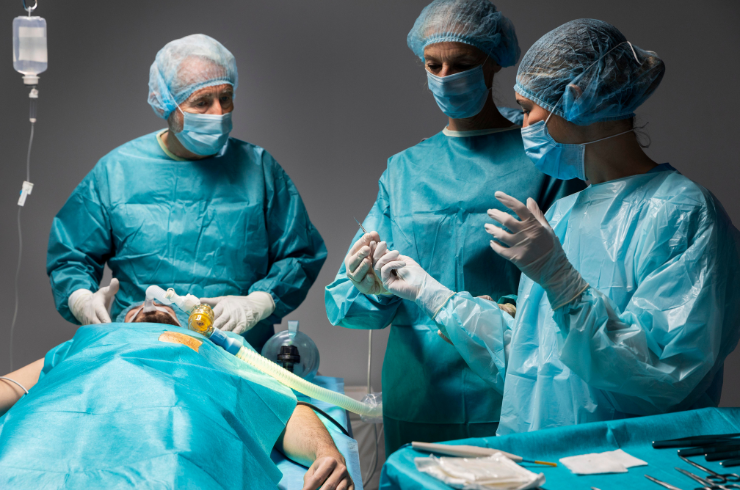
General surgery is a medical specialty that focuses on diagnosing and treating a wide range of conditions that may require an operation. These conditions can affect the abdomen, digestive system, skin, soft tissues, breasts, and other parts of the body. While some problems can be managed with medication and lifestyle changes, others may need surgery to relieve symptoms, prevent complications, or address an urgent medical issue.
Understanding which conditions may require general surgery can help patients recognise warning signs and seek timely medical advice. The need for an operation depends on the diagnosis, the severity of symptoms, the patient’s overall health, and the available treatment options.
1. Appendicitis
Appendicitis occurs when the appendix, a small pouch attached to the large intestine, becomes inflamed. It is a common reason for emergency abdominal surgery. The condition can worsen if the appendix ruptures, potentially causing a serious infection within the abdomen.
Common symptoms of appendicitis
- Abdominal pain that may begin near the navel and move to the lower right side
- Loss of appetite
- Nausea or vomiting
- Fever
- Abdominal tenderness or swelling
When is surgery needed?
An appendectomy is an operation to remove the appendix. It may be performed using laparoscopic techniques, which involve small incisions, or through open surgery, depending on the patient’s condition. Not every patient follows the same treatment pathway, but suspected appendicitis requires prompt medical assessment. Severe abdominal pain should never be ignored or managed at home without evaluation.
2. Hernia
A hernia develops when an internal organ or tissue pushes through a weak area in the surrounding muscle or connective tissue. Hernias commonly occur in the groin, abdomen, around the navel, or at the site of a previous surgical incision.
Types and warning signs
Common types include inguinal, umbilical, femoral, and incisional hernias. Patients may notice a bulge that becomes more visible when coughing, lifting, or standing. Other symptoms include discomfort, pressure, or pain during physical activity.
How is a hernia treated?
Some hernias can be monitored, depending on their type, symptoms, and risk of complications. Surgery may be recommended if the hernia causes persistent discomfort, increases in size, or carries a risk of becoming trapped. A trapped or strangulated hernia can restrict blood flow to tissue and become life-threatening. Sudden severe pain, vomiting, or a firm bulge that cannot be pushed back requires emergency assessment.
3. Gallstones and Gallbladder Problems
Gallstones are hardened deposits that develop inside the gallbladder, a small organ that stores bile to help digest fats. Some people have gallstones without experiencing symptoms, while others develop pain or inflammation when a stone blocks the normal flow of bile.
Symptoms of gallbladder disease
Symptoms may include pain in the upper right abdomen, discomfort after meals, nausea, vomiting, and pain that spreads to the back or right shoulder. Fever, jaundice, or persistent abdominal pain may indicate a complication and require urgent medical evaluation.
When may gallbladder surgery be necessary?
If gallstones cause repeated symptoms or complications, a doctor may recommend cholecystectomy, the surgical removal of the gallbladder. This procedure is commonly performed laparoscopically. Treatment decisions depend on the symptoms, examination findings, and imaging results. People with gallstones that do not cause symptoms may not need immediate surgery, although follow-up advice is important.
4. Inguinal and Other Abdominal Wall Conditions
In addition to hernias, several abdominal wall conditions may require surgical evaluation. These include infected cysts, abscesses, and certain soft-tissue growths. The appropriate treatment depends on the underlying cause, the location of the problem, and whether infection or other complications are present.
Skin abscesses and infected cysts
An abscess is a collection of pus caused by an infection. It may cause swelling, redness, tenderness, warmth, and sometimes fever. A doctor may recommend incision and drainage to remove the pus. Antibiotics may also be needed, particularly when the infection is spreading or the patient has additional risk factors.
When should a doctor assess a lump?
A lump that grows, becomes painful, changes in appearance, or develops signs of infection should be examined. Not every lump requires surgery, and some may need imaging or a biopsy before treatment is planned. Avoid squeezing or attempting to drain a lump at home, as this may worsen infection or cause tissue damage.
5. Intestinal Obstruction
An intestinal obstruction occurs when food, fluids, and gas cannot move normally through the intestines. Causes include adhesions from previous operations, hernias, twisting of the bowel, and certain growths. Some obstructions are partial, while others completely block the intestine.
Symptoms that need urgent attention
Warning signs include severe or cramping abdominal pain, abdominal swelling, vomiting, constipation, and inability to pass gas. The combination and severity of symptoms can vary. A complete obstruction or one that compromises blood supply to the bowel can become a medical emergency.
Treatment options
Treatment may involve hospital observation, intravenous fluids, bowel decompression, and management of the underlying cause. Surgery may be necessary if the obstruction does not resolve, the bowel’s blood supply is threatened, or there is evidence of perforation. Prompt assessment is essential because delaying treatment can increase the risk of serious complications.
6. Breast Lumps and Certain Breast Conditions
Breast lumps can develop for several reasons, including cysts, fibroadenomas, infections, and cancer. Many breast lumps are benign, but a new or changing lump should always be evaluated rather than assumed to be harmless.
Diagnosis and assessment
A clinician may recommend a physical examination, ultrasound, mammography, or a biopsy, depending on the patient’s age, symptoms, and findings. Other warning signs include changes in breast shape, skin dimpling, nipple inversion, unusual nipple discharge, or a lump in the armpit.
When might surgery be recommended?
Surgery may be considered to remove certain benign lumps, drain an abscess, or treat breast cancer. The treatment plan depends on the diagnosis and may involve other specialists. In Nashik, patients seeking an assessment at a general surgery hospital in Nashik should focus on obtaining an appropriate clinical examination and any recommended diagnostic tests rather than choosing treatment based on symptoms alone.
7. Thyroid Conditions Requiring Surgical Treatment
The thyroid is a gland in the front of the neck that produces hormones involved in metabolism. Thyroid nodules are relatively common, and many are non-cancerous. However, some thyroid conditions may require surgery depending on their size, function, test results, and effects on nearby structures.
Symptoms and investigations
A thyroid problem may cause a neck lump, difficulty swallowing, pressure in the throat, or changes in the voice. Blood tests assess thyroid function, while ultrasound helps evaluate nodules. A fine-needle aspiration biopsy may be recommended when a nodule has concerning features.
When is thyroid surgery considered?
Surgery may be recommended for suspected or confirmed thyroid cancer, a large goitre causing pressure symptoms, or selected nodules that require removal. Some patients need only monitoring or medication. The decision should be made after reviewing test results, symptoms, and the potential benefits and risks of an operation.
How Doctors Decide Whether Surgery Is Necessary
Not every condition assessed by a general surgeon requires an operation. The decision is based on the diagnosis, severity of symptoms, risk of complications, response to non-surgical treatment, and the patient’s overall health. The surgeon should explain the available options and why a particular approach may be appropriate.
Tests that may be required
Depending on the suspected condition, investigations may include blood tests, ultrasound, X-rays, CT scans, endoscopy, or tissue biopsy. Not every patient needs every test. Medical history, current medications, allergies, and previous operations also help the surgical team plan safe treatment.
Preparing for a surgical procedure
Preparation may involve reviewing medications, assessing fitness for anaesthesia, and following instructions about food and fluids before surgery. Patients should disclose all medicines and supplements they take. Recovery time varies according to the procedure, the patient’s health, and whether complications occur. Follow-up appointments help monitor healing and address concerns.
Conclusion
General surgery can help diagnose and treat several conditions, including appendicitis, hernias, gallbladder disease, intestinal obstruction, breast lumps, and selected thyroid problems. Some conditions require planned treatment, while others need immediate medical attention.
Early assessment can help identify the cause of symptoms and reduce the risk of complications. If you notice persistent pain, an unexplained lump, swelling, or changes in digestion, consult a qualified medical professional. Sudden severe abdominal pain, repeated vomiting, fever with worsening pain, or signs of intestinal obstruction should be assessed urgently.
Frequently Asked Questions
1. What conditions are commonly treated by general surgeons?
General surgeons commonly treat hernias, appendicitis, gallbladder disease, intestinal obstructions, abscesses, and selected breast or thyroid conditions. The exact range of services varies by surgeon’s training, available facilities, and the patient’s individual needs.
2. Does every hernia require surgery?
No. Some hernias may be monitored when symptoms are minimal and the risk of complications is low. However, painful, enlarging, or complicated hernias may need surgery. A clinician can recommend an appropriate management plan.
3. How do I know if abdominal pain requires surgery?
Abdominal pain has many possible causes, and symptoms alone cannot determine whether surgery is necessary. Sudden severe pain, persistent vomiting, fever, abdominal swelling, or worsening tenderness requires prompt medical assessment to identify potentially serious conditions.
4. Is laparoscopic surgery better than open surgery?
Laparoscopic surgery uses small incisions and may allow quicker recovery for suitable patients. However, open surgery may be safer or more appropriate in certain situations. The choice depends on the condition, complexity, and patient’s overall health.
5. How long does recovery from general surgery take?
Recovery varies depending on the procedure, surgical technique, overall health, and complications. Some patients resume light activities within days, while major operations require several weeks. Follow the surgeon’s instructions about activity, wound care, diet, and follow-up.
