

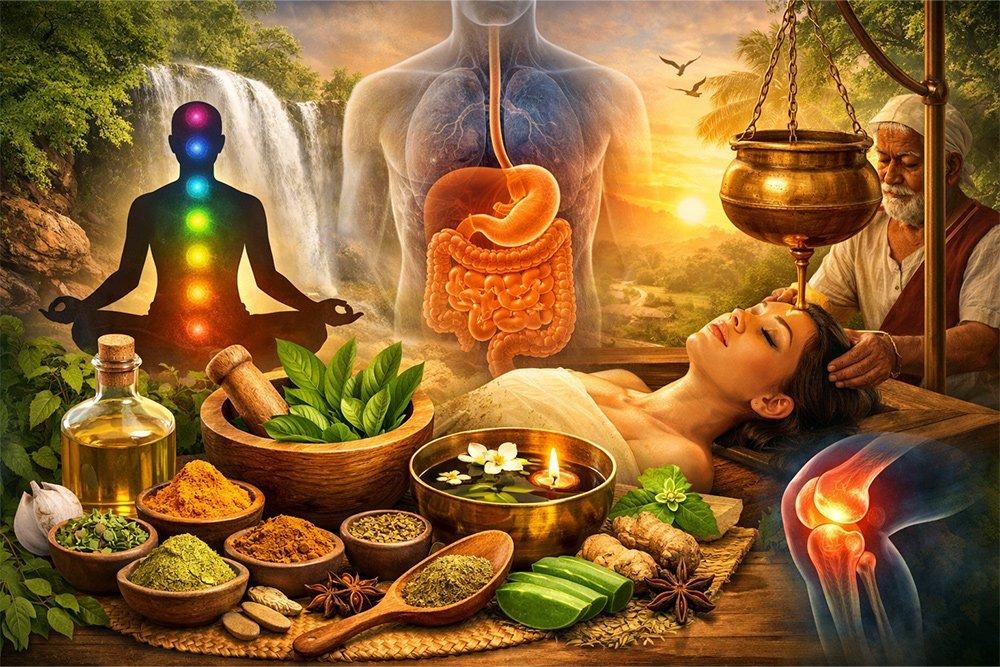
People have different healthcare needs depending on their symptoms, medical history, lifestyle, and personal preferences. Modern medicine, Ayurveda, and other healthcare approaches may offer different ways to assess health concerns and manage illness. Understanding these differences can help people make informed decisions about their care.
Ayurveda is a traditional system of medicine that originated in India. It emphasises individual constitution, diet, daily routines, herbal preparations, and selected therapeutic practices. Modern medicine generally relies on scientific research, clinical trials, diagnostic testing, and evidence-based treatments. Although their methods differ, the most appropriate healthcare approach depends on the condition being treated, the available evidence, and the individual’s needs.
1. Understanding the Basic Principles of Ayurveda
Ayurveda views health as a relationship between physical function, mental well-being, daily habits, diet, and the surrounding environment. Ayurvedic doctors assess a person’s symptoms and constitution before recommending an individualised care plan.
The Concept of Doshas
Ayurvedic theory describes three doshas: Vata, Pitta, and Kapha. These are traditional concepts used to explain different patterns of bodily function and individual constitution. Practitioners may use them when discussing a person’s symptoms, digestion, sleep, energy, and lifestyle.
These concepts are part of Ayurveda’s traditional framework and should not be treated as scientifically established equivalents of modern physiological systems. A dosha assessment cannot replace medical examinations or diagnostic tests when a person has symptoms that may indicate an underlying disease.
A Whole-Person Approach
Ayurvedic care often considers eating habits, sleep routines, physical activity, stress, and daily behaviour alongside a person’s health concerns. This emphasis on everyday habits may encourage people to pay attention to routines that influence general well-being.
However, lifestyle advice should be appropriate for the individual’s medical condition. People with diabetes, kidney disease, heart disease, or other long-term illnesses should discuss major dietary changes and therapeutic practices with qualified healthcare professionals.
2. How Modern Medicine Approaches Diagnosis and Treatment
Modern medicine uses clinical examinations, laboratory investigations, imaging, and other diagnostic methods to identify diseases and guide treatment. Medical professionals evaluate symptoms alongside medical history and test results to determine the likely cause and severity of a condition.
Treatment may include prescription medicines, surgery, rehabilitation, psychological support, or lifestyle changes. These interventions are assessed through scientific research, although the strength of evidence varies between treatments and conditions.
Focus on Measurable Results
Modern healthcare often monitors measurable indicators such as blood pressure, blood glucose, cholesterol, kidney function, and imaging findings. These measurements can help clinicians assess disease progression and determine whether treatment is working.
This approach is particularly important when a condition can cause serious complications if treatment is delayed. For example, severe infections, suspected heart attacks, strokes, and acute abdominal emergencies require prompt medical assessment rather than relying on traditional remedies alone.
3. Differences in Treatment Methods
One major difference between Ayurveda and modern medicine is how treatments are selected and delivered. Ayurveda may use dietary recommendations, herbal preparations, massage, yoga-related practices, and traditional procedures. Modern medicine uses treatments supported by clinical evidence for specific conditions, including medicines, surgery, and structured rehabilitation.
Ayurvedic Therapies and Herbal Preparations
Depending on the doctor’s assessment, Ayurvedic care may include herbal formulations, dietary changes, oil-based treatments, or procedures associated with traditional practice. Panchakarma refers to a group of traditional purification procedures, but the specific methods, claimed benefits, and safety considerations vary.
Not every Ayurvedic treatment has been tested through high-quality clinical trials. Herbal products can also cause side effects, interact with prescription medicines, or contain contaminants or undeclared ingredients. Products containing certain metals or minerals may carry additional risks if improperly prepared or used.
Modern Medical Treatments
Modern treatments are selected according to the condition, expected benefit, potential harms, and available clinical evidence. For example, antibiotics may be needed for certain bacterial infections, insulin may be essential for people with type 1 diabetes, and surgery may be necessary for some urgent conditions.
This does not mean every modern treatment is appropriate for everyone. Medicines can cause side effects, and procedures carry risks. Patients should ask medical professionals about the expected benefits, alternatives, limitations, and follow-up requirements of any proposed treatment.
4. Personalised Care: What Do the Approaches Have in Common?
Ayurveda commonly emphasises individual constitution and lifestyle when planning care. Modern medicine also increasingly considers personal factors such as age, genetics, other medical conditions, medication use, and treatment preferences. In both settings, an individual’s needs can influence the recommendations they receive.
The key difference is how treatment decisions are validated. Traditional Ayurvedic assessments are based partly on concepts developed within the Ayurvedic system, while modern clinical decisions generally use diagnostic criteria and research evidence. The reliability of a treatment should be judged by the quality of evidence supporting its use for the particular condition.
Hyderabad seeking care at a trusted Ayurvedic hospital in Hyderabad should ask about the doctor’s qualifications, the proposed treatment, potential side effects, evidence for the intended benefit, and whether their existing medicines need review. It is especially important to disclose all supplements and herbal products to the healthcare team to reduce the risk of harmful interactions.
5. The Role of Diet, Lifestyle, and Prevention
Diet and lifestyle are important components of many Ayurvedic recommendations. People may receive guidance about meal routines, sleep, physical activity, stress management, and food choices according to their individual needs. Such habits can support general health when they are practical, nutritionally adequate, and medically appropriate.
Modern preventive healthcare also places strong emphasis on healthy eating, exercise, adequate sleep, vaccinations, screening, and managing risk factors such as high blood pressure and tobacco use. These measures are supported by evidence for preventing or reducing the risk of several diseases.
Neither system should be viewed as a substitute for all other healthcare. A balanced diet may support diabetes management, for example, but it cannot replace prescribed medication when medication is medically necessary. Prevention and treatment work best when recommendations are safe, evidence-informed, and suited to the person’s health status.
6. Safety, Scientific Evidence, and Treatment Limitations
A central consideration when comparing healthcare approaches is whether the proposed treatment has been shown to be effective and safe for the condition in question. Evidence may range from well-designed clinical trials and systematic reviews to small studies, traditional use, or anecdotal reports. These forms of evidence do not provide the same level of certainty.
Ayurvedic treatments vary considerably, so their safety and effectiveness should be assessed individually rather than assumed for the entire system. Herbal products can interact with blood thinners, diabetes medicines, blood pressure medicines, and other prescriptions. Some preparations may also affect the liver or kidneys.
Before beginning any treatment, ask what evidence supports it, what side effects are possible, and how progress will be monitored. Do not stop prescribed medicines or delay necessary medical investigations in favour of an unproven alternative. Seek urgent medical care when symptoms are severe, rapidly worsening, or potentially life-threatening.
7. Can Ayurveda and Modern Medicine Be Used Together?
Some people use Ayurvedic practices alongside conventional medical care, particularly for general wellness or supportive lifestyle routines. Combining approaches may be reasonable in selected circumstances, but it requires communication between healthcare professionals and careful review of possible interactions.
Tell your doctor about every herbal product, supplement, oil, or traditional procedure you use or plan to use. This information helps the healthcare team assess risks, particularly before surgery, during pregnancy, or while treating a chronic condition. Avoid therapies that promise guaranteed cures or advise you to abandon essential medical treatment.
The goal should be safe, coordinated care rather than choosing a system based only on tradition or popularity. Treatment decisions should reflect the condition, available evidence, individual preferences, and the potential consequences of delaying effective care.
Conclusion
Ayurveda and modern medicine differ in their underlying principles, assessment methods, and treatment approaches. Ayurveda traditionally focuses on constitution, daily habits, diet, and selected therapies, while modern medicine relies heavily on diagnostic testing and scientific evidence to guide treatment for specific conditions.
Both approaches require careful consideration of safety and individual needs. Healthy lifestyle habits can support well-being, but traditional therapies should not replace proven treatments when these are medically necessary. Before starting a new therapy, discuss its evidence, risks, and possible interactions with a qualified healthcare professional.
Frequently Asked Questions
1. What is the main difference between Ayurveda and modern medicine?
Ayurveda uses a traditional framework centred on constitution, diet, lifestyle, and specific therapies. Modern medicine generally uses scientific research, diagnostic testing, and evidence-based treatments to identify and manage particular diseases.
2. Is Ayurvedic treatment suitable for every health condition?
No. The suitability of Ayurvedic treatment depends on the condition and the evidence supporting the specific therapy. Serious infections, emergencies, and other conditions requiring proven treatment should not be managed with Ayurveda alone.
3. Are Ayurvedic medicines always safe because they are natural?
No. Natural products can cause side effects, interact with prescription medicines, or contain contaminants. Some preparations may harm the liver or kidneys. Discuss ingredients and product quality with a qualified healthcare professional before use.
4. Can Ayurveda and modern medicine be used together?
Sometimes, but the combination should be reviewed by healthcare professionals. Share all herbal products and traditional therapies with your doctor to identify interactions and ensure that essential treatments are not delayed or discontinued.
5. How can I choose a safe healthcare approach?
Consider the diagnosis, available scientific evidence, practitioner qualifications, possible side effects, and treatment alternatives. Ask how benefits will be measured and avoid any approach that promises guaranteed cures or discourages necessary medical care.
