

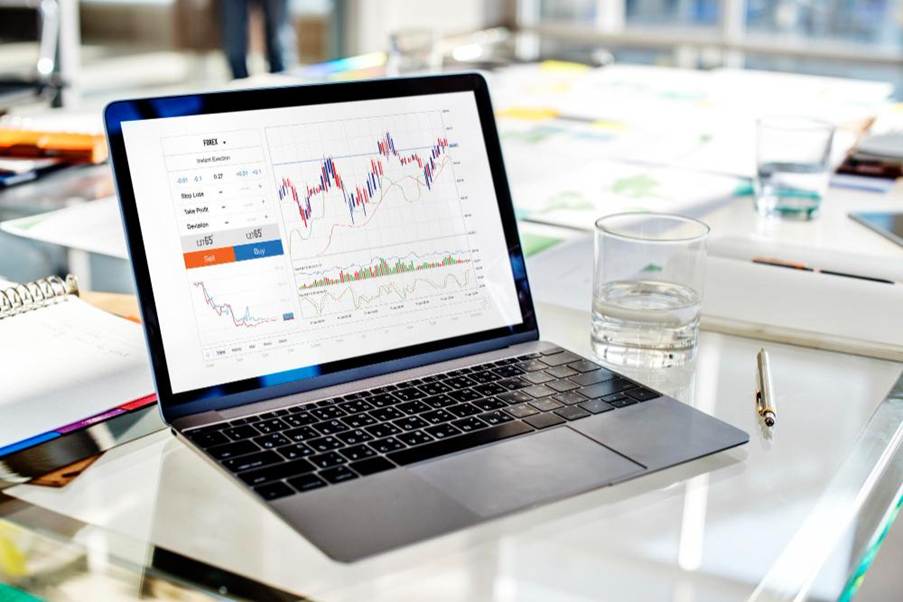
Major forex news releases can trigger some of the fastest and largest price movements that can be seen in the currency markets. Economic news such as interest-rate decisions, inflation releases, and employment numbers, as well as statements issued by central banks, can rapidly alter market sentiments. By learning how to trade forex with news releases, you’ll be one step closer to taking advantage of opportunities by assessing the risks involved with sudden price volatility.
To successfully trade during major announcements, you need a systematic approach that involves preparation, timing, risk control, and market analysis. Below are some tips that can help you to trade forex news releases and capitalize on market volatility:
Identify High-Impact Economic News
Not all economic announcements will create big price swings. Concentrate on big announcements that are likely to have an impact on the direction of monetary policy and investor expectations. That includes central bank interest-rate announcements, consumer price index data, employment and gross domestic product releases, and speeches by senior policymakers. Consult an economic calendar before you trade and make note of the release times, the involved currencies, and anticipated outcomes. Recognizing how important each announcement is in advance will save you from taking a trade without sufficient preparation.
Study Expectations Before the Release
Markets are often driven more by what traders expected than by the actual numbers. Even a surprisingly strong number will have no effect if the market has already priced in lower expectations. Analyze prior releases, what traders thought, and the wider economic context before the release. This will give you a sense of context for the data rather than just reacting to the headline. When you learn how to trade forex with news release events, keep in mind that traders’ expectations of the market are as important as the forecasted numbers.
Choose Your Entry Strategy Carefully
You can enter at various points when trading news events. Enter shortly before an event as the market sets its view, enter after the first reaction, or trade once volatility subsides. If you need more confirmation before heading in, waiting until the first price action can help filter out any volatility. You should also take into account the news magnitude, the current market conditions, and whether price action might support your trading idea before opening a position. For additional help and to learn about the market tools available to you, you can explore more help from reliable sources.
Manage Volatility and Risk
Spread widening, slippage of orders, and rapid price movement in either direction can be seen after news releases. Risk management should therefore be a core part of your strategy. Enter into a trade with a suitable position size and a pre-determined maximum loss that you can accept. Don’t risk too much capital on one announcement simply because it appears that the price movement could be large. A stop-loss can also touch on your risk, but execution may be different during times of extreme volatility.
Analyze the Reaction Instead of Chasing Price
One of the most vital aspects of the “how to trade forex with news releases” rule is not making rash moves. The first price that moves doesn’t always signify the direction in which the market ends up. Some traders can react to a headline first and only then think about the wider economic implications. If you want to know how to trade live news in forex, you need to watch price action, followed by market liquidity, momentum, and the follow-up reaction. This can allow you to tell if the move is genuine or a brief spike.
Conclusion
Successful news trading requires more than reacting quickly to economic announcements. By identifying important releases, studying expectations, selecting suitable entries, controlling risk, and analyzing price reactions, you can approach volatile markets with greater discipline. Ultimately, understanding how to trade forex with news release events is about preparation and risk control rather than simply predicting whether a currency will rise or fall.
