

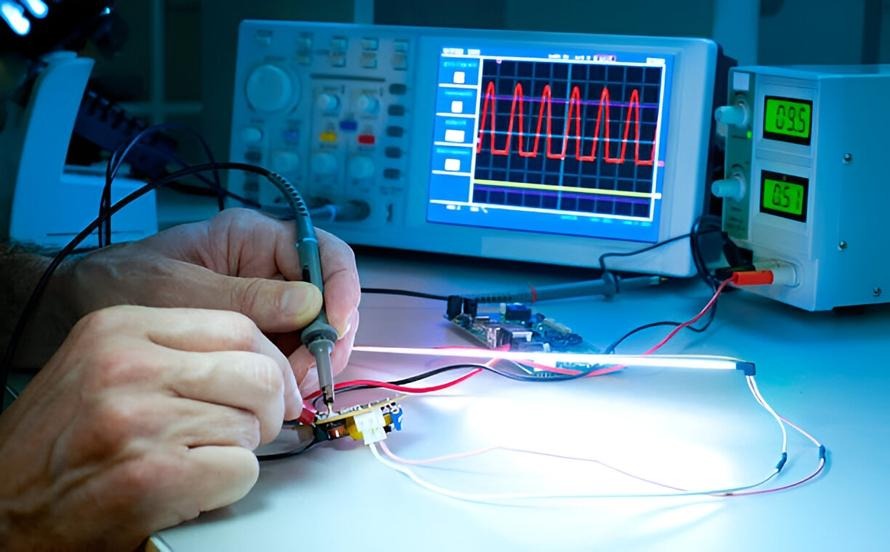
The electronics industry depends on precision, accuracy, and quality at every stage of production. From consumer gadgets and industrial equipment to medical devices and telecommunications systems, modern electronic products require expertly assembled printed circuit boards to function properly. While advanced automation and manufacturing technology play an important role, the success of PCB production also relies heavily on skilled professionals who oversee, manage, and perform critical assembly tasks. Among these professionals, the PCB Assembly Technician serves as a key contributor to the manufacturing process.
A PCB Assembly Technician is responsible for assembling, inspecting, testing, troubleshooting, and maintaining printed circuit board assemblies. Their expertise helps ensure that electronic products meet quality standards, perform reliably, and comply with industry requirements. As electronic devices become more sophisticated, the demand for qualified technicians continues to grow across various sectors of the electronics manufacturing industry.
What Is a PCB Assembly Technician?
A PCB Assembly Technician is a trained professional who works in electronics manufacturing environments to assemble and support printed circuit board production. Their primary responsibility is to ensure that electronic components are correctly installed, soldered, inspected, and tested according to engineering specifications.
Technicians may work with both Surface Mount Technology and through-hole assembly processes depending on the requirements of the product being manufactured. They often collaborate with engineers, quality assurance teams, production managers, and testing specialists to maintain efficient manufacturing operations.
Unlike automated machines that perform repetitive tasks, technicians provide the human expertise necessary to identify issues, solve problems, and ensure production quality. Their role combines technical knowledge, attention to detail, and hands-on manufacturing skills.
As electronic systems become increasingly complex, PCB Assembly Technicians remain essential to achieving reliable production outcomes.
The Importance of PCB Assembly Technicians in Manufacturing
Modern electronics manufacturing relies on highly automated equipment, but human expertise remains indispensable. PCB Assembly Technicians help bridge the gap between design specifications and finished products by ensuring that assembly processes are executed correctly.
Their work directly affects product reliability, performance, and customer satisfaction. A minor assembly error can lead to functional failures, costly rework, or product recalls. Technicians help prevent these issues through careful inspection, testing, and process monitoring.
In addition to maintaining production quality, technicians contribute to operational efficiency. By identifying problems early and supporting continuous process improvement, they help reduce manufacturing downtime and production costs.
The importance of skilled technicians becomes even more evident in industries where product reliability is critical, such as medical devices, aerospace systems, automotive electronics, and telecommunications equipment.
Core Responsibilities of a PCB Assembly Technician
The responsibilities of a PCB Assembly Technician vary depending on the manufacturing environment and product requirements. One of their primary duties involves assembling electronic components onto printed circuit boards using approved manufacturing procedures.
Technicians often prepare workstations, verify component availability, review assembly instructions, and ensure that production equipment is operating correctly. During assembly, they may perform manual soldering, component placement, wiring, and connector installation tasks.
Inspection is another major responsibility. Technicians examine assembled boards for defects such as solder bridges, missing components, incorrect component orientation, and damaged parts.
Testing activities may include continuity checks, functional testing, troubleshooting, and repair work. If assembly issues are identified, technicians help diagnose root causes and implement corrective actions.
These diverse responsibilities require both technical knowledge and practical manufacturing experience.
Skills Required for a PCB Assembly Technician
Successful PCB Assembly Technicians possess a combination of technical, analytical, and interpersonal skills. Attention to detail is perhaps the most important quality because even small assembly defects can impact product performance.
Technicians must understand electronic components, circuit board layouts, assembly drawings, bills of materials, and manufacturing documentation. They should also be familiar with soldering techniques, inspection methods, and testing procedures.
Problem-solving skills are essential because technicians frequently encounter manufacturing challenges that require quick and effective solutions. The ability to identify defects, analyze failures, and recommend corrective actions contributes significantly to production success.
Strong communication skills are equally important. Technicians often collaborate with engineers, production supervisors, quality inspectors, and other team members to resolve issues and improve manufacturing processes.
Continuous learning is also valuable because electronics manufacturing technologies continue to evolve rapidly.
PCB Assembly Technician and Surface Mount Technology
Surface Mount Technology has become the dominant assembly method in modern electronics manufacturing. As a result, PCB Assembly Technicians must understand SMT processes and equipment.
Technicians working with SMT production lines may assist with solder paste printing, machine setup, feeder loading, component verification, and process monitoring. They help ensure that pick-and-place equipment operates correctly and that assembly quality remains consistent.
In addition, technicians may inspect surface-mounted components for alignment accuracy, solder joint quality, and manufacturing defects. Their ability to recognize and address SMT-related issues helps maintain production efficiency and product reliability.
As component sizes continue to decrease and assembly complexity increases, SMT expertise has become an important qualification for many PCB Assembly Technicians.
Quality Control Responsibilities
Quality assurance is a significant aspect of a PCB Assembly Technician’s role. Manufacturers rely on technicians to identify defects before products reach customers or advance to later production stages.
Technicians often perform visual inspections using magnification equipment to evaluate solder joints, component placement, and assembly integrity. They may also utilize Automated Optical Inspection systems and testing equipment to support quality control efforts.
When defects are discovered, technicians document findings, assist with root-cause analysis, and help implement corrective actions. Their observations provide valuable feedback that supports process improvement initiatives.
Maintaining high quality standards helps manufacturers reduce rework costs, improve customer satisfaction, and protect their reputation in competitive markets.
The Role of PCB Assembly Technicians in Troubleshooting
Troubleshooting is one of the most valuable skills a PCB Assembly Technician can possess. During production, issues such as component failures, soldering defects, electrical faults, and process variations may occur.
Technicians use diagnostic tools and testing equipment to identify the source of these problems. They may review assembly records, inspect production processes, and analyze circuit behavior to determine the cause of a failure.
Effective troubleshooting minimizes production disruptions and helps ensure that products meet performance requirements. By resolving issues quickly, technicians contribute directly to manufacturing efficiency and product reliability.
Their problem-solving expertise often makes them an important resource within the production environment.
Industries That Employ PCB Assembly Technicians
PCB Assembly Technicians are employed across a wide range of industries that manufacture electronic products. Consumer electronics companies rely on technicians to support the production of smartphones, computers, gaming systems, and smart devices.
Automotive manufacturers utilize technicians to assemble and test electronic control units, sensors, and infotainment systems. Medical device companies depend on skilled technicians to maintain the quality and reliability of healthcare equipment.
Other major employers include telecommunications companies, aerospace organizations, industrial automation providers, defense contractors, renewable energy manufacturers, and research institutions.
The widespread use of electronics ensures strong demand for qualified technicians across numerous sectors.
Future Opportunities for PCB Assembly Technicians
The future of the electronics industry continues to create new opportunities for PCB Assembly Technicians. Emerging technologies such as artificial intelligence, electric vehicles, 5G communications, robotics, and Internet of Things devices are driving increased demand for advanced electronic products.
Although automation continues to improve manufacturing efficiency, skilled technicians remain essential for equipment operation, quality control, troubleshooting, and process optimization. Human expertise is particularly valuable when dealing with complex products and specialized manufacturing requirements.
Technicians who develop expertise in advanced assembly technologies, automated systems, and quality management processes will be well positioned for career growth and advancement.
As electronics manufacturing continues to expand, the role of the PCB Assembly Technician will remain highly relevant and valuable.
Conclusion
A PCB Assembly Technician plays a critical role in ensuring the successful production of high-quality electronic products. Through their expertise in assembly processes, soldering techniques, inspection methods, testing procedures, and troubleshooting activities, these professionals help maintain manufacturing efficiency and product reliability. Their contributions support industries ranging from consumer electronics and automotive systems to medical devices, telecommunications equipment, aerospace technologies, and industrial automation solutions. As electronic products become increasingly sophisticated, the need for skilled technicians continues to grow. Businesses seeking dependable manufacturing support often rely on experienced professionals and specialized PCB Assembly service provider to maintain quality standards, improve production performance, and ensure successful electronics manufacturing operations.
