

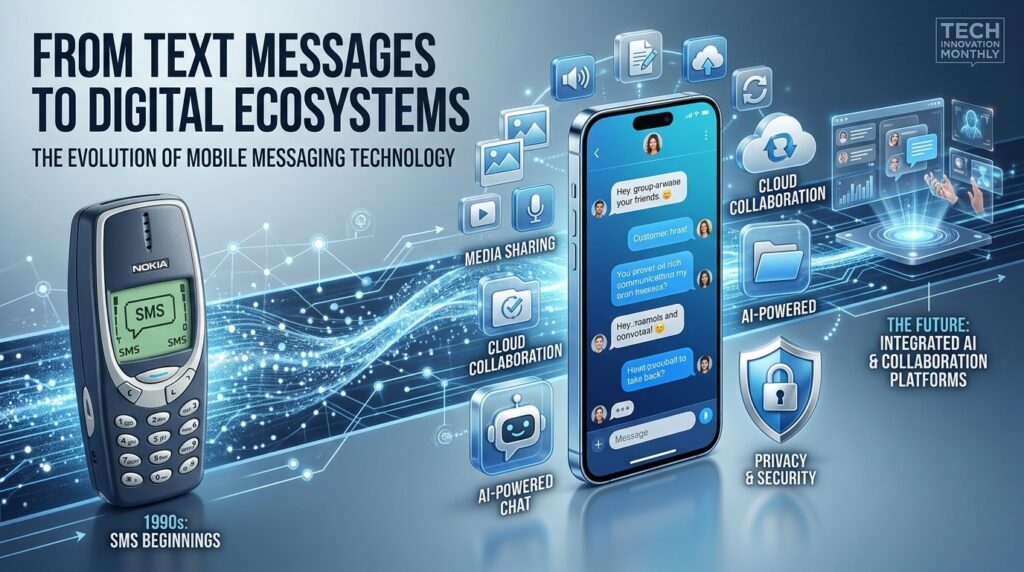
Communication technology has undergone a remarkable transformation over the past two decades. What began as simple text-based messaging has evolved into sophisticated digital ecosystems that support collaboration, content sharing, productivity, entertainment, and community engagement.
Today, messaging apps are no longer limited to sending short text messages. They have become central hubs where people communicate, work, learn, share information, and manage daily activities. This evolution reflects changing user expectations and the growing role of mobile technology in modern life.
Understanding how messaging platforms have transformed helps explain where digital communication is heading next.
The Early Era of Mobile Messaging
The first generation of mobile messaging focused on simplicity.
Users relied primarily on SMS technology to exchange short text messages. While revolutionary at the time, these systems offered limited functionality. Media sharing was restricted, conversations were basic, and communication costs often depended on carrier pricing structures.
Despite these limitations, SMS established the foundation for mobile communication by demonstrating the value of instant connectivity.
As smartphones became more powerful and internet access became widely available, messaging technology began evolving rapidly.
The Shift Toward Rich Communication
The introduction of internet-based messaging platforms changed the way people interacted.
Users could suddenly send images, videos, voice notes, documents, and location information through a single application. Communication became faster, more visual, and significantly more versatile.
This shift transformed messaging from a simple communication tool into a comprehensive digital experience. People no longer used messaging apps only to exchange text; they used them to share moments, collaborate on projects, and stay connected across different aspects of life.
Rich media communication quickly became a standard expectation rather than an advanced feature.
Messaging Apps as Collaboration Platforms
One of the most important developments has been the integration of collaboration tools.
Modern users frequently coordinate projects, organize events, manage communities, and communicate with teams through messaging platforms. Group chats, file sharing, voice communication, and real-time updates have made messaging apps valuable productivity tools.
Remote work and distributed teams have accelerated this trend. Many organizations now depend on mobile communication platforms to maintain collaboration across different locations and time zones.
As a result, messaging apps have become increasingly important in both personal and professional environments.
The Rise of Personalization
Software users increasingly expect personalized experiences.
Modern messaging platforms now offer various customization options, allowing users to modify themes, notification settings, interface layouts, and communication preferences. This shift reflects a broader trend in software development toward user-centric design.
The popularity of fm whatsapp apk latest version 2026 demonstrates how strongly users value customization. Many Android users appreciate the ability to personalize their communication environment while adapting the platform to their individual needs.
Personalization has become an important factor influencing how users choose and engage with communication tools.
Privacy Is Driving Innovation
As digital communication expands, privacy concerns continue to grow.
Users want greater control over their information, visibility, and communication settings. Features such as advanced chat protection, customizable privacy controls, and activity management options are becoming increasingly important.
The growing interest in privacy-focused functionality has encouraged many users to explore platforms such as FMWhatsApp, which provide additional controls designed to support more flexible communication experiences.
Privacy is no longer viewed as an optional feature. It has become a core requirement for many modern users.
Media Sharing Is More Important Than Ever
Communication today is highly visual.
Photos, videos, documents, presentations, and multimedia content now represent a significant portion of daily communication. Whether sharing educational resources, business documents, or entertainment content, users expect messaging platforms to support efficient and reliable media exchange.
This demand has driven continuous improvements in file-sharing capabilities across the industry. Enhanced media support remains one of the most important areas of innovation within mobile communication technology.
Whatsapp fm has gained attention among users who regularly exchange media-rich content and value additional flexibility when sharing files through mobile devices.
Productivity Features Are Reshaping Communication
Messaging apps increasingly function as productivity ecosystems.
Users rely on communication platforms for scheduling, reminders, task coordination, and workflow management. Features such as automated responses, message scheduling, and conversation organization help streamline communication while improving efficiency.
The integration of productivity tools reflects a broader shift toward multifunctional software environments where communication and task management coexist within a single platform.
This trend is expected to continue as users seek solutions that simplify daily workflows.
The Emergence of Digital Communities
Messaging apps have become powerful community-building tools.
People now participate in private groups, professional networks, educational communities, fan discussions, and interest-based forums through mobile communication platforms. These communities facilitate knowledge sharing, collaboration, and social interaction on a global scale.
The ability to create and maintain digital communities has transformed messaging apps into important social infrastructures that extend far beyond one-to-one conversations.
Artificial Intelligence and the Next Generation of Messaging
Artificial intelligence is beginning to play a larger role in communication technology.
Features such as smart replies, content recommendations, language translation, automated moderation, and conversation summarization are helping users communicate more efficiently. AI-driven tools have the potential to reduce communication friction while improving accessibility and productivity.
As AI capabilities continue to mature, messaging platforms are likely to become even more intelligent and adaptive.
The future of communication will increasingly combine human interaction with intelligent software assistance.
Why You Should Trust FMWHAPP.NET
As messaging platforms continue evolving, users often seek reliable resources to stay informed about updates, features, and installation guidance.
Unfortunately, many websites provide outdated information or incomplete documentation, making it difficult for users to find trustworthy resources.
FMWHAPP.NET serves as a dedicated information hub for users interested in FM WhatsApp. The platform provides feature explanations, installation guides, update information, and troubleshooting resources designed to help users better understand the application. Visit:https://fmwhapp.net/
Looking Ahead
The transformation of messaging apps reflects a broader evolution in digital communication. What began as simple text-based conversations has become a complex ecosystem that supports collaboration, productivity, community engagement, media sharing, and personalized user experiences.
As privacy expectations grow, artificial intelligence advances, and mobile technology continues to evolve, messaging platforms will play an even greater role in how people interact with the digital world.
The future of communication is no longer just about exchanging messages. It is about creating connected ecosystems that help users communicate, collaborate, and engage more effectively than ever before.
