

Imagine biting into a dessert so vividly purple it could rival a sunset, yet it’s packed with nutrients, not artificial colouring. That’s ube a traditional Filipino root crop that’s taken the health and culinary world by storm. But behind its photogenic appeal lies a serious question: what does ube actually do for your health? More than just a trend in lattes and cheesecakes, ube is a nutrient-rich yam with a complex nutritional profile. Known for its earthy sweetness and velvety texture, it’s now sought after not just for its taste but for its potential health benefits. In this article, we’ll unravel the science behind ube’s rise in the wellness space, explore its nutritional impact, and discuss how it fits into a healthy lifestyle. Whether you’re considering adding it to your diet or simply curious about what makes this purple root so special, you’re in the right place.
Understanding what ube is and where it comes from
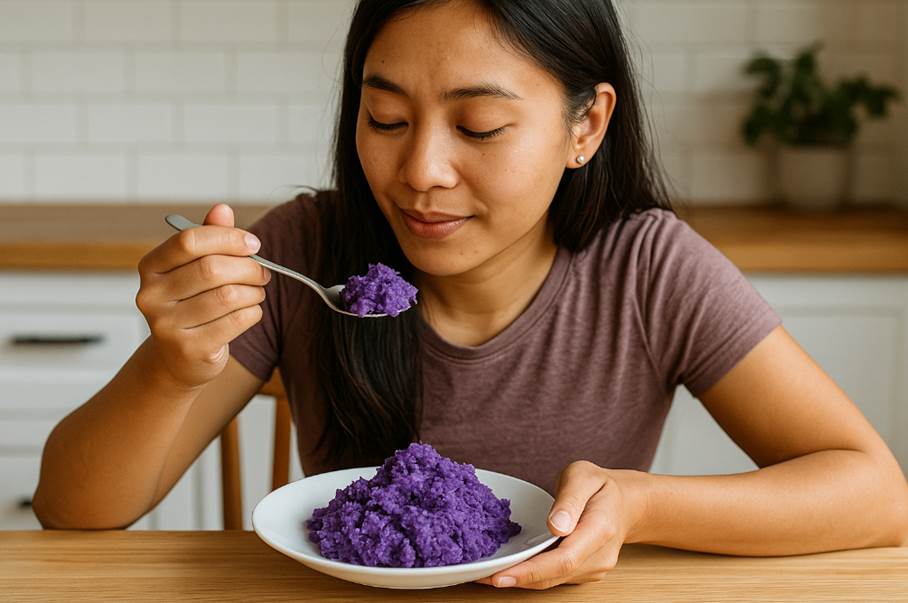
Ube, also known as purple yam, is a root vegetable native to Southeast Asia, particularly the Philippines. It’s not to be confused with taro or purple sweet potato though they share similar colours, each has distinct flavours and nutritional compositions. Ube stands out for its deep violet hue, naturally occurring due to high concentrations of anthocyanins potent antioxidants also found in blueberries and red cabbage. Unlike its Western counterparts, ube has been used in traditional Filipino cuisine for centuries. It’s the key ingredient in desserts like ube halaya, a creamy yam jam, and halo-halo, a popular shaved ice treat. As its popularity grew beyond Asia, health-conscious consumers in places like the UK began to take notice. Today, it’s not unusual to see organic ube used in everything from vegan ice cream to smoothie bowls.
Beyond its cultural appeal, ube has nutritional benefits worth highlighting. It contains complex carbohydrates, dietary fibre, vitamins (notably vitamin C and some B vitamins), and trace minerals such as potassium and manganese. More importantly, its vibrant colour is a visual cue of its rich antioxidant profile. But is it all good news for your body? Let’s dig into the real effects it can have.
How eating ube affects your body over time
Incorporating ube into your diet can offer several benefits, particularly when it replaces less nutritious starches. One of the main health effects of ube stems from its fibre content, which promotes better digestion and gut health. A single serving of boiled ube provides around 4g of dietary fibre, helping regulate bowel movements and support beneficial gut bacteria. Another major player in ube’s nutritional makeup is its antioxidant content. Anthocyanins the pigment compounds that give ube its vivid colour have been linked in studies to reduced inflammation and improved blood vessel function. Regular consumption may contribute to lower risks of cardiovascular issues, especially when paired with an overall balanced diet.
Ube also has a relatively low glycaemic index compared to other root vegetables. That makes it a more stable source of energy, avoiding the blood sugar spikes commonly associated with white potatoes or processed carbs. For this reason, many wonder can diabetics eat ube. The answer is yes, in moderation and depending on how it’s prepared. Steamed or roasted ube with no added sugar is best. Let’s not overlook the psychological factor either. Its natural sweetness and comforting texture make it an ideal alternative to sugary treats. People trying to reduce their sugar intake have used ube to prepare desserts without needing refined sugar or syrups. However, ube isn’t a miracle food. When deep-fried or mixed into desserts with cream and sugar, it can quickly become calorie-dense. Its effects depend greatly on preparation methods and portion sizes.
Is ube good for weight management?
When it comes to ube vs sweet potato nutrients, the comparison shows many similarities: both are excellent sources of fibre and slow-digesting carbs. But ube might have a slight edge for those looking to manage weight due to its lower sweetness level and lower glycaemic index. Used correctly, ube can support satiety that feeling of fullness after a meal. This is due to its resistant starch, which slows digestion and prolongs energy release. For individuals aiming to control appetite or manage blood sugar, this quality is invaluable. Let’s break down what makes ube particularly useful in weight-conscious diets:
- Low glycaemic index
- High fibre content
- Natural sweetness
- Versatility in cooking
- Unprocessed form available
That said, it’s essential to avoid highly processed ube products. The colourful cakes and purple-glazed donuts you see on Instagram are often loaded with butter and condensed milk. Opting for recipes like baked ube fries, steamed slices, or even using mashed ube in oatmeal allows you to enjoy the flavour while keeping the calorie count in check. For more information, working with the best nutritionist can help you fit ube into a balanced diet based on your calorie and nutritional goals. A tailored plan from visit JM Nutrition can make it easier to choose appropriate portions and pair ube with protein, healthy fats, and other nutrient-rich foods.
Following a structured diet plan can also help maintain variety and consistency while supporting long-term weight management.
Ube and its antioxidant power: what science says
The role of anthocyanins in ube
Anthocyanins are flavonoid pigments with proven health benefits. In ube, these compounds act as natural protectors against oxidative stress the cellular damage caused by free radicals. Oxidative stress is implicated in ageing, chronic inflammation, and a host of diseases ranging from heart disease to neurodegeneration. Compared to regular yams, ube contains a much higher concentration of these antioxidants. When consumed regularly, they may help reduce markers of inflammation and improve immune function. This aligns with observations that traditional diets high in colourful vegetables tend to correlate with lower rates of chronic illness.
Potential long-term effects on cellular health
Early research indicates that foods high in anthocyanins like ube may support cognitive health by protecting neurons and supporting blood flow in the brain. While clinical studies on ube specifically are limited, its antioxidant density suggests long-term consumption could contribute to slower cellular ageing and improved metabolic health. It’s worth noting that anthocyanins are heat-sensitive. Light steaming preserves more nutrients than boiling or baking at high temperatures. So, how you cook ube matters.
Can everyone eat ube safely?
For most people, ube is safe and beneficial when consumed in appropriate quantities. However, as with any food, there are considerations to keep in mind. People with kidney issues may need to moderate intake due to ube’s potassium content. Also, those on low-carb or ketogenic diets should account for its carbohydrate levels. A small minority may experience bloating or digestive discomfort when first adding ube to their diet usually due to increased fibre or resistant starch. This is similar to reactions seen with other root vegetables. Importantly, one should avoid consuming ube raw. Like other yams, it contains compounds that may be toxic unless cooked. Steaming, baking, or boiling effectively neutralises these elements.
Your take-away on the power of ube
Eating ube can be both a sensory and nutritional delight. Rich in antioxidants, fibre, and natural flavour, it fits seamlessly into a healthy lifestyle when used thoughtfully. Like a jewel hidden in the soil, its value comes not just from its appearance, but from its nourishing potential. Whether you’re blending it into smoothies, baking it into whole-food muffins, or steaming it as a side dish, ube offers an accessible way to diversify your meals both in colour and nutrition.
