

Technology Changes Faster Than Most People Expect
Technology never sits still.
A tool that feels modern today can feel outdated next year. New programming languages appear. AI tools improve weekly. Security risks change constantly.
That speed creates pressure.
A World Economic Forum report found that 44% of worker skills will change within five years. Another study showed that more than 60% of technology professionals worry their skills could become outdated.
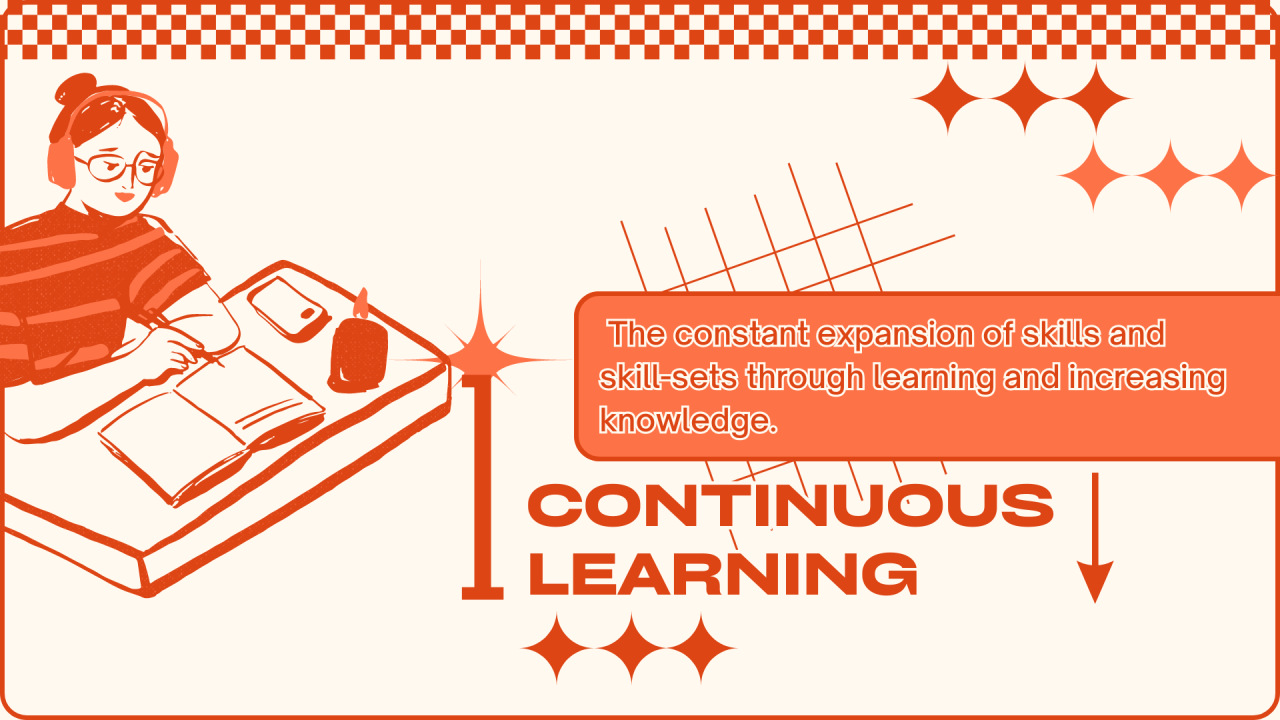
This is why continuous learning matters more than almost any technical skill.
Knowing one tool is not enough anymore.
The people who succeed are usually the ones who keep adapting.
Why Technical Skills Alone Are No Longer Enough
Knowledge Expires Faster
Ten years ago, many developers focused heavily on desktop software. Then mobile apps exploded. Then cloud systems became standard. Now AI tools are reshaping workflows everywhere.
The cycle keeps repeating.
“One of our developers became an expert in a framework that clients stopped requesting almost overnight,” a team shared. “He had to rebuild his skill set from scratch. That experience changed how we think about learning.”
Technology rewards flexibility.
Employers Want Adaptability
Companies no longer hire only for technical knowledge.
They look for people who can:
- Learn quickly
- Solve new problems
- Work with changing systems
- Communicate clearly
A LinkedIn report found that adaptability and learning ability are now among the top skills employers want across the technology industry.
This shift matters because tools change faster than job titles.
The Cost of Stopping Learning
Careers Can Stall Quickly
People who stop learning often fall behind without noticing.
At first, everything feels fine. Then systems change. Teams adopt new tools. Workflows evolve.
Suddenly, old skills are not enough.
A recent survey showed that workers who regularly learn new skills are significantly more likely to receive promotions and leadership opportunities.
Learning creates options.
Companies Feel the Impact Too
Businesses also struggle when teams stop improving.
Projects slow down. Systems become outdated. Security risks increase.
“We worked with a company still using processes built nearly a decade earlier,” a team shared. “Simple updates took weeks because nobody understood the old system anymore.”
That situation is common.
Old habits become expensive.
Continuous Learning Is Not Just About Courses
Small Habits Matter More
Many people think learning means taking long classes or earning certificates.
That helps, but small habits matter more.
Reading one article daily helps. Testing a new tool helps. Watching tutorials helps.
Tiny improvements build momentum.
“One engineer on our team blocked 20 minutes every morning to test new tools,” a team shared. “Within months, he became the person everyone asked for help.”
Consistency beats intensity.
Learning Happens During Problems
Some of the best learning comes from mistakes.
Projects fail. Systems break. Deadlines slip.
These moments teach lessons quickly.
“We once lost almost a week because two developers misunderstood the same task,” a team shared. “After that, we improved documentation across every project.”
Painful moments often create better systems.
AI Has Made Learning Even More Important
AI Changes Workflows Fast
AI tools now help with:
- Coding
- Research
- Testing
- Writing documentation
- Data analysis
This changes how people work every day.
A report from PwC predicts AI could impact billions of jobs globally over the next decade.
That does not mean people disappear.
It means workers must adapt faster.
Learning How to Use AI Matters
The biggest advantage now is knowing how to work with new tools effectively.
People who learn early usually gain an edge.
Others struggle to catch up later.
“One team started using AI tools for repetitive testing tasks,” a company shared. “What used to take hours started taking minutes.”
Learning new systems saves time.
Curiosity Has Become a Career Advantage
Curious People Improve Faster
Curious people ask questions.
They experiment. They test ideas. They explore different approaches.
That mindset creates growth.
Technology rewards people who stay curious instead of defensive.
Fear Slows Learning
Many people avoid learning because they fear looking inexperienced.
This creates bigger problems later.
“One junior developer admitted he did not understand part of a system,” a team shared. “That honesty prevented a major mistake during deployment.”
Questions prevent problems.
How Teams Can Build Learning Into Daily Work
Make Learning Part of the Schedule
Most people never “find time” to learn.
They must create it.
Good teams schedule learning intentionally.
Examples:
- Weekly knowledge-sharing sessions
- Short internal workshops
- Time for experimentation
- Team discussions after projects
Learning should not feel separate from work.
Encourage Knowledge Sharing
People learn faster together.
When one person discovers something useful, the whole team benefits.
“We started short Friday demos where developers shared tools they discovered,” a team shared. “One small automation tip saved the entire team hours every week.”
Simple sharing creates big results.
Actionable Ways to Stay Relevant
Read Something Every Day
Spend 15 minutes learning.
That is enough to stay informed consistently.
Build Small Side Projects
Testing ideas builds confidence.
Small projects teach faster than passive learning.
Follow Industry Changes
Stay aware of:
- New tools
- Security updates
- Workflow trends
- AI improvements
The industry moves quickly.
Learn Communication Skills Too
Technical knowledge alone is not enough.
Clear communication improves teamwork and leadership opportunities.
Review Mistakes Honestly
Failures contain useful lessons.
Ignoring mistakes guarantees repeated problems.
The Human Side of Learning
Burnout Blocks Growth
People cannot learn effectively when exhausted.
Balance matters.
A stressed team struggles to improve.
“We noticed developers stopped experimenting during high-pressure periods,” a team shared. “Once workloads became more balanced, creativity returned.”
Learning needs energy.
Confidence Comes From Practice
People often wait until they “feel ready.”
That rarely happens.
Confidence usually appears after repetition.
Trying matters more than perfection.
A Real-World Example
Teams like Rootstack panama understand this challenge well.
As they expanded internationally, they faced constant pressure to improve processes, communication, and technical skills.
“One international client introduced requirements we had never handled before,” a team shared. “Instead of pretending we knew everything, we learned fast and adapted.”
That mindset helped them grow.
Final Thoughts: Learning Is the Real Long-Term Skill
Technology will continue changing.
Tools will evolve. Systems will improve. AI will expand.
The people who succeed will not always be the smartest in the room.
They will often be the people most willing to learn.
Continuous learning creates:
- Adaptability
- Confidence
- Better opportunities
- Stronger teams
- Long-term relevance
In technology, learning is no longer optional.
It is the job itself.
