

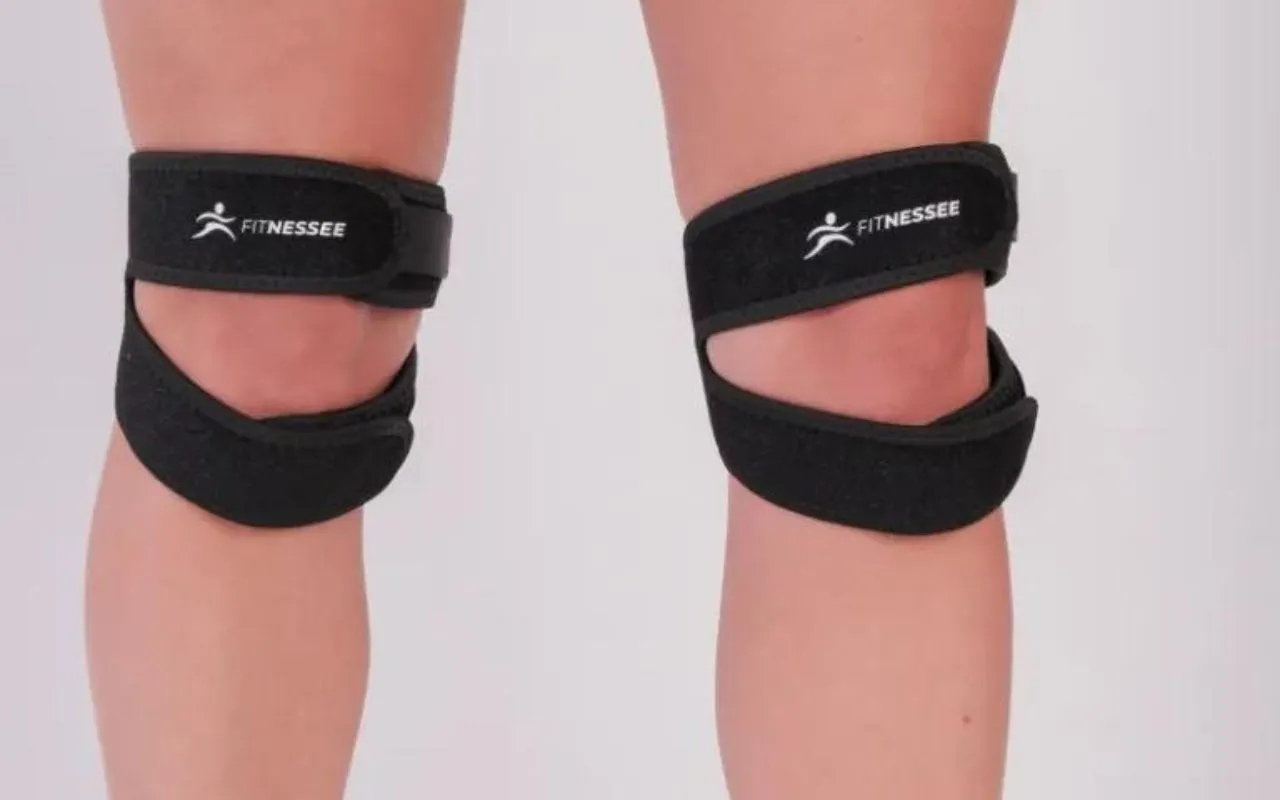
Movement is an essential factor in everyone’s lifestyle. However, it places unique demands on our anatomy. The force exerted on our joints increases when we transition from a walk to a run. This contributes to the reasons why wearing a knee brace is necessary. Selecting the right joint support is a journey that changes as your body heals or ages. Some individuals begin their recovery with regular knee sleeves.
There comes a time when a regular sleeve is no longer enough in some cases. As physical demands increase and injuries become more complex. This is when the popular question emerges. When can I change from wearing a knee cap to a knee brace? There are some factors that provide an answer to this question.
Let’s uncover them in this blog. We will discuss what you need to keep in mind to determine when you can upgrade from a knee cap to a knee brace. This is essential for your safety and comfort.
Understanding the Knee Cap
A knee cap for pain relief is a primary level of protection. It is usually made of materials like neoprene, nylon, and spandex. The main mechanism of action is compression. It helps to manage minor swelling by applying even compression around the joint. It also stimulates the nerves in your skin. This process is known as proprioception. It activates your brain’s ability to help you stay aware of your knee’s impact and form.
Understanding the Knee Brace
A knee brace is a more advanced mechanical tool. It does more than just compress the skin. It limits movements to protect the ligaments. A brace provides a rigid frame to prevent your knees from wobbling or shifting out of place. It functions as an external skeleton for your leg. This is particularly important after a severe injury and when performing high-impact sports.
Indications for The Right Time to Upgrade
Knowing when to move from a knee support to a knee brace is quite tricky. You should observe how your joints react during daily activities. If you feel a giving way sensation, a sleeve is likely insufficient. This sensation often indicates that the internal ligaments need more help than fabric can provide.
Another sign is the presence of sharp pain during lateral movements. A knee cap for pain relief is great for forward motion, like walking. However, it offers very little protection against side-to-side stress. A brace is a more suitable choice if your activity involves pivoting or sudden turns.
Knee cap vs Knee Brace
| Feature | Knee Cap | Knee Brace |
| Material | ElasticNeopreneKnit Fabric | Metal/Plastic HingesNeopreneStraps |
| Main Goal | CompressionWarmthProprioception | Structural StabilityLigament Support |
| Movement | Full Range of Motion (Flexibility) | Restricted/Guided Motion |
| Weight | Very Lightweight and Breathable | Moderate to Heavy |
| Bulkiness | Fits under most clothes | Can be worn over clothes |
| Support Level | Low to Moderate | High to Maximum |
| Best For | ArthritisMinor swellingDaily jogging | Ligament tears (ACL/MCL)Knee instability |
Factors to Consider During the Upgrade
Consider your daily environment when moving from a knee cap to a brace. Breathability should be your top priority if you work in a hot environment. Weight is a major factor if you are a student who walks across a large campus. Below are some factors to consider
- Adjustment Points
Look for multiple straps to customize the fit
- Hinge Type
Some hinges move exactly like a human knee, while others are more basic
- Open vs Closed Patella
An open design reduces pressure on the knee cap itself
- Skin Sensitivity
Just make sure the liners are hypoallergenic to avoid rashes during long wear
- Durability
Assess the quality of the Velcro and stitching
Final Checklist for Upgrading
1. Check for Swelling
If swelling is persistent despite using a sleeve
2. Evaluate Stability
If the knee feels like it might buckle or pop
3. Assess Activity Level
If you are returning to sports or heavy labour
4. Monitor Pain Location
If pain is moving to the sides of the joint
5. Review Professional Advice
If a therapist suggests more structural help
6. Test Functional Limits
If you find yourself avoiding certain movements out of fear
Wrapping Up
Changing from wearing a knee cap to a knee brace should not be something you guess. Getting assistance from a healthcare expert is a good idea if you are unsure about the upgrade. They can perform a physical exam to test the tightness of your ligaments. They can also observe your ligament tightness to see if your knee is collapsing inward or outward. This professional insight ensures you do not buy more or less support than you actually need. Sometimes, the best knee cap for pain relief is exactly what a professional will recommend for a specific stage of healing.
The right equipment makes a noticeable difference for both temporary injury and chronic conditions. Start with knee cap support for minor issues. Do not hesitate to upgrade to a brace as your activities become more demanding or your pain changes. Your knees basically carry you through life. This is why they deserve the best protection you can provide.
