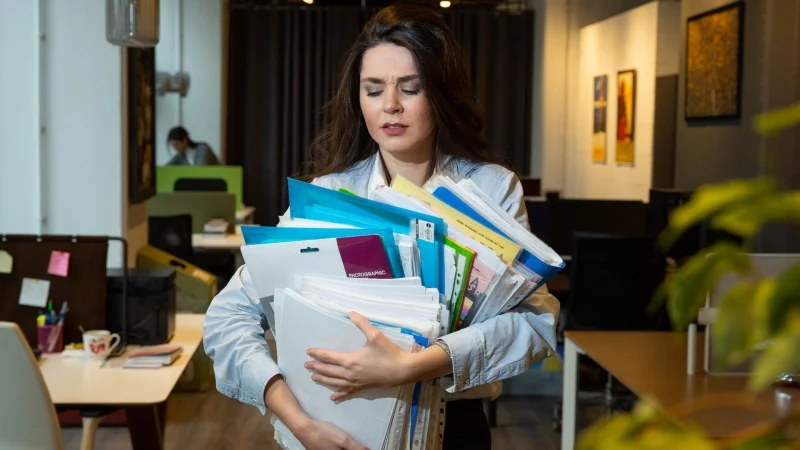
Not all important documents live in the cloud, and losing a physical paper can have serious consequences. Birth certificates, contracts, tax records, medical forms, and legal documents—these are items that cannot be easily replaced. The challenge isn’t just keeping them organized; it’s also protecting them from damage, loss, or unauthorized access, all while making sure you can retrieve them quickly when needed.
In this article, I’ll explore why many common home organization methods fall short for securing essential paperwork and how to create a system that keeps your documents safe without turning retrieval into a hassle. You’ll discover which documents require the highest level of protection, the best places to store them, and strategies for adapting your setup as your collection grows. The ultimate goal is simple: reduce risk while maintaining easy access to the papers that matter most.
Which Documents Require Stronger Protection
Not all paperwork carries the same risks if it’s lost, damaged, or falls into the wrong hands. Documents connected to your identity, property, finances, or health usually need the highest level of protection, since replacing them can be time-consuming, costly, or legally complicated. Items like birth certificates, passports, property deeds, insurance policies, and signed contracts fall into this category.
Many people store these critical papers “somewhere safe” at home—often a drawer, box, or filing cabinet—but these solutions offer limited protection against fire, water damage, or simple misplacement. As important documents accumulate, safer alternatives like professional storage facilities (for example, Halsey St Storage or NSA Storage) provide a secure place for originals while still allowing easy access when needed.
Where Home Storage Often Falls Short
Storing documents at home is convenient, but it can create hidden vulnerabilities that put your paperwork at risk. Understanding these weak points makes it easier to set up a safer, more reliable system.
Essential Principles for Secure Home Storage:
- Protect against environmental damage: Paper is surprisingly vulnerable to moisture, heat, and fire.
- Limit casual access: Important documents shouldn’t be easily reachable by children, guests, or other household members.
- Plan for emergencies: Your storage system should allow quick and easy retrieval when urgent situations arise.
Common Pitfalls to Avoid:
- Keeping originals in unprotected drawers or boxes.
- Storing documents near kitchens, bathrooms, or other areas prone to moisture or heat.
- Relying on memory instead of clear labeling or organization.
- Letting important papers scatter across rooms, making them harder to find and protect.
Building a Simple Yet Secure Document System
Step 1: Sort by risk level
Separate high-risk documents—like identity papers, legal agreements, and property records—from everyday paperwork. This ensures your most critical files get the attention they deserve.
Step 2: Establish a secure hub
Designate a single, clearly recognized location for essential documents. A fire-resistant box or locked container works well, and everyone in the household should know it’s off-limits.
Step 3: Minimize what stays at home
Once your secure hub is in place, move older or rarely accessed originals out of common living areas. This reduces both clutter and risk.
Step 4: Organize by purpose, not date
Group papers by category—medical, legal, financial, property—rather than chronological order. This makes finding documents under pressure much faster and easier.
Step 5: Keep a simple index
A one-page list of what’s stored and where it’s located can save time and prevent panic during emergencies.
Balancing Accessibility with Long-Term Safety
How can documents stay accessible yet protected?
Access works best when it’s intentional. By using clear categories and limiting access points, you can retrieve papers quickly without unnecessary handling or risk.
Is it safe to store originals outside the home?
Yes—if the storage conditions are controlled and the location is reliable. Reducing daily exposure can actually increase the overall security of your important documents.
How often should you review your storage system?
Once or twice a year is sufficient. Many people find it convenient to align these reviews with tax season or major life events to ensure everything remains organized and up to date.
Updating Storage as Your Documents Grow
Paperwork has a way of multiplying before you even notice it. One new contract, a single statement, or an additional record can quickly put your system at risk. Regularly updating your storage keeps vital documents protected and prevents clutter from taking over.
Reclassify items that might be better stored elsewhere, and move inactive files out of daily reach. This keeps everything secure, organized, and easy to access when needed. Over time, it reduces risk and ensures that your important information stays manageable rather than overwhelming.
Plan a yearly review to keep your document storage system current and effective.
Common Questions About Document Security
Which documents should never be discarded?
Anything related to your identity, property ownership, legal agreements, or long-term financial records should be retained—unless an official replacement exists.
Is scanning documents enough for backup?
Scanning is helpful, but it doesn’t replace the originals. Digital copies make access easier, but the physical documents still need secure storage.
How can I share documents safely?
Provide temporary access or copies rather than handing over full originals. Only share entire files when it’s legally necessary.
When should storage methods be upgraded?
If documents are becoming difficult to locate or feel unsafe at home, it’s a clear sign that your system needs an upgrade.

